Liner Notes
The bruise, the banner, and the borrowed innocence
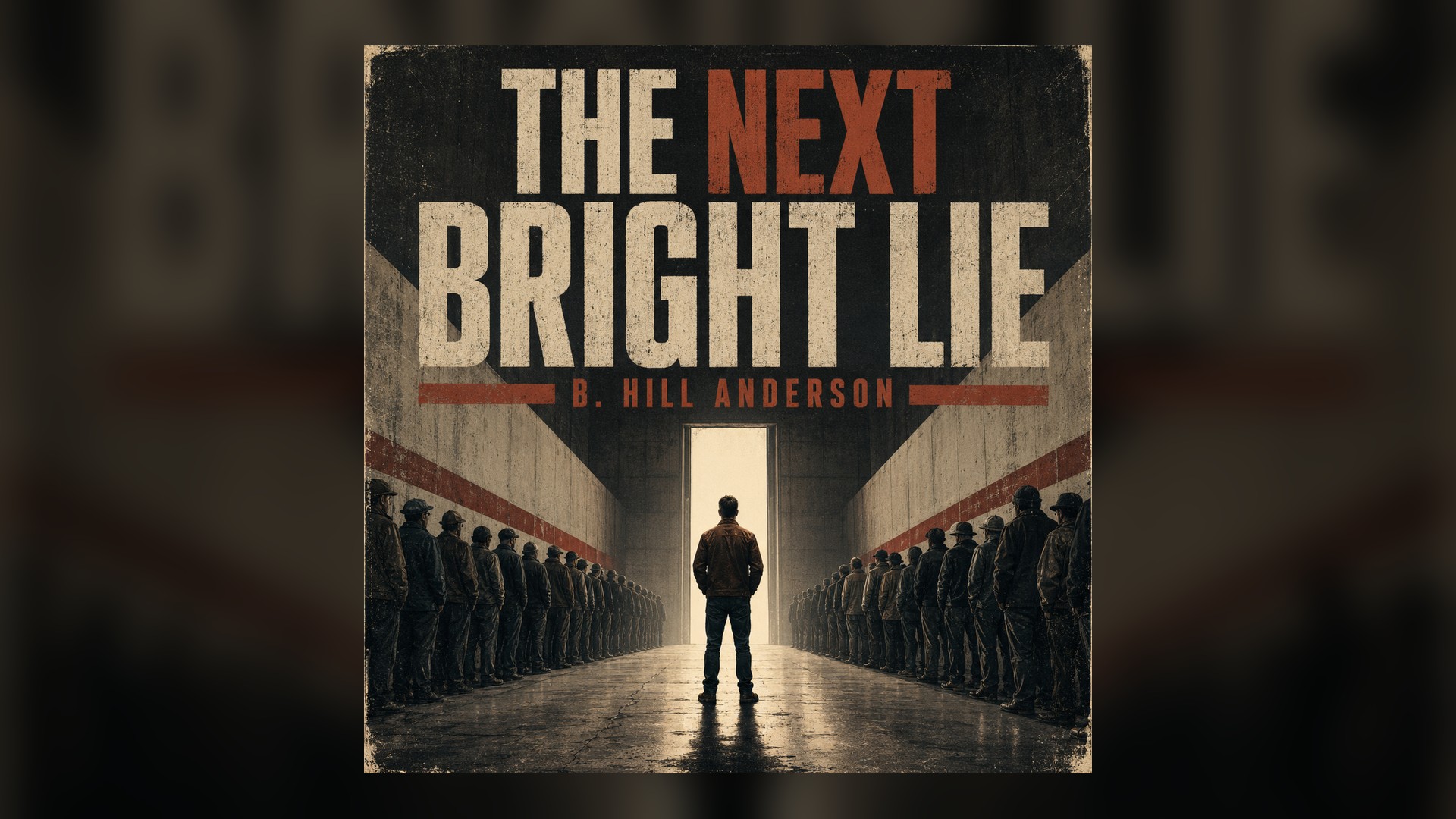
The song opens with work no one sees. Quiet service, an oath, daylight, restraint: the speaker begins inside a moral vocabulary built around duty without spectacle. That beginning matters because the song is not spoken from a safe distance by someone who believes only other people are susceptible to manipulation. The speaker knows the language of service, expected it to protect public life, and then watched grievance become a door through which performance could enter.
The first betrayal is not described as a single seizure. It happens line by line. Law becomes a ladder rather than a boundary. Fear is wrapped in bunting. Anger is renamed courage. The images are ordinary enough to be recognized without being tied to one election, movement, or leader. The song is interested less in a passing headline than in the recurring conversion of injury into permission.
That conversion depends on something real. The bruise exists. The grievance may have a history. People may have been ignored, humiliated, displaced, or left without language for what happened to them. The chorus does not dismiss the wound. It asks what occurs when a promise finds it and offers relief from responsibility. A crowd can feel like mercy because it replaces isolation with recognition. It says the hurt has a cause, the cause has a face, and the injured person can become innocent by joining the accusation.
The speaker’s confession keeps the warning from becoming a portrait of fools. “I was fooled enough to know” is not a boast about superior awareness. It is the source of the song’s authority and its discomfort. Knowledge arrives after participation. The speaker watched restraint become a joke, watched cruelty present itself as honesty, watched careful people step back, and admits that he held his tongue. The failure is not only that a bully learned to sing. It is also that people who recognized the tune decided not to interrupt it.
That self-implication changes the chorus. The command not to kneel is not issued from purity. It comes from someone who understands the emotional transaction: hurt becomes a banner, fear receives a name, and blame is lifted from the person who wants to belong. The song treats belonging as a moral pressure rather than a harmless comfort. A movement can offer identity before it offers policy. By the time the argument arrives, the participant may already be defending an account of who he is.
The bridge carries the song beyond the last deception. The next lie will not repeat the costume that exposed the previous one. It will learn from failure. It may speak softly, borrow the vocabulary of healing, and arrive with witnesses who make its claims sound communal rather than coercive. This is the work’s most durable warning: manipulation is adaptive. Once one style becomes recognizable, another can present the same surrender as maturity, calm, care, or repair.
The repeated phrase about learning a person’s name gives the bridge its intimate threat. The lie does not merely identify a demographic. It studies the ache beneath the public position. It learns what would make a person feel chosen. The song therefore refuses an easy distinction between crude propaganda and respectable persuasion. A message can sound clean, calm, and sane while still organizing belonging through exclusion.
Verse four turns that recognition into practice rather than certainty. The speaker watches the spotlight when it calls itself dawn. He asks who is kept outside when belonging is offered. He listens for the scapegoat before joining the song. None of these habits guarantees innocence. They are disciplines of attention, ways to slow the moment when injury, identity, and authority begin to reinforce one another.
Within the Collection, The Next Bright Lie stands closest to White Stones Don’t Lie, but the two works occupy different points in the moral sequence. White Stones looks at authority after language has failed and the cost has become irreversible. This song turns toward the earlier moment, when grievance is still being shaped into consent and silence can still help the performance grow. One asks what loyalty owes the dead. The other asks what belonging owes the living before another account must be given.
The ending does not promise immunity. The final line returns to the fact that the lie already knows the listener’s name. Awareness is not a permanent achievement; it has to be renewed when the next appeal sounds unlike the last. The song leaves us not with a test for identifying one villain, but with a harder question: what part of our own hurt are we willing to let someone else organize for us?