Liner Notes
The work and its witness
The speaker begins in front of an audience, announcing something new. Then a familiar chord provides an exit. The old song gives the listeners something they recognize and allows its maker to postpone the risk just named. The performance continues successfully enough for the omission to pass.
Back home, the new work receives sustained attention. The speaker plays until the night changes color, then revises the ending by noon. The song does not present an absence of effort. It asks what effort becomes when there is always another change available before anyone else can hear the result.
The chorus makes a claim that its own conditions prevent anyone from testing. The best thing the speaker has ever done remains unheard. A listener must take the maker's word for its quality. That arrangement protects the work from judgment while leaving the claim dependent on trust. Each repetition keeps both the confidence and its cost in view.
A letter on the piano brings another person's request into the room. Someone wants something new. The speaker sings as though that person were present, giving the work an imagined listener without letting it travel to the real one. The room can support the intimacy of an address while preserving the distance that makes the address safe.
The short plea near the end changes the scale of the delay. An unfinished ending can be revised tomorrow; a life cannot be assumed to offer unlimited tomorrows. The fear is no longer simply that a listener might judge the song. It is that the listener might never encounter it at all.
After that plea, the chorus returns to the same claim. The song offers no completed act of release inside its story. Instead, it ends by asking whether anyone is still outside the room. The maker who asked to be believed now needs to know whether an audience remains. That final question leaves the next action open, but makes the cost of waiting harder to ignore.
The opening audience is addressed directly, so the listener is implicated before the private room appears. The familiar chord is something that takes you back. Recognition gives both sides a reward: the crowd gets a memory, and the singer gets through the moment without exposing the new work. That exchange can succeed on its own terms. The trouble is that success makes the postponement easier to repeat.
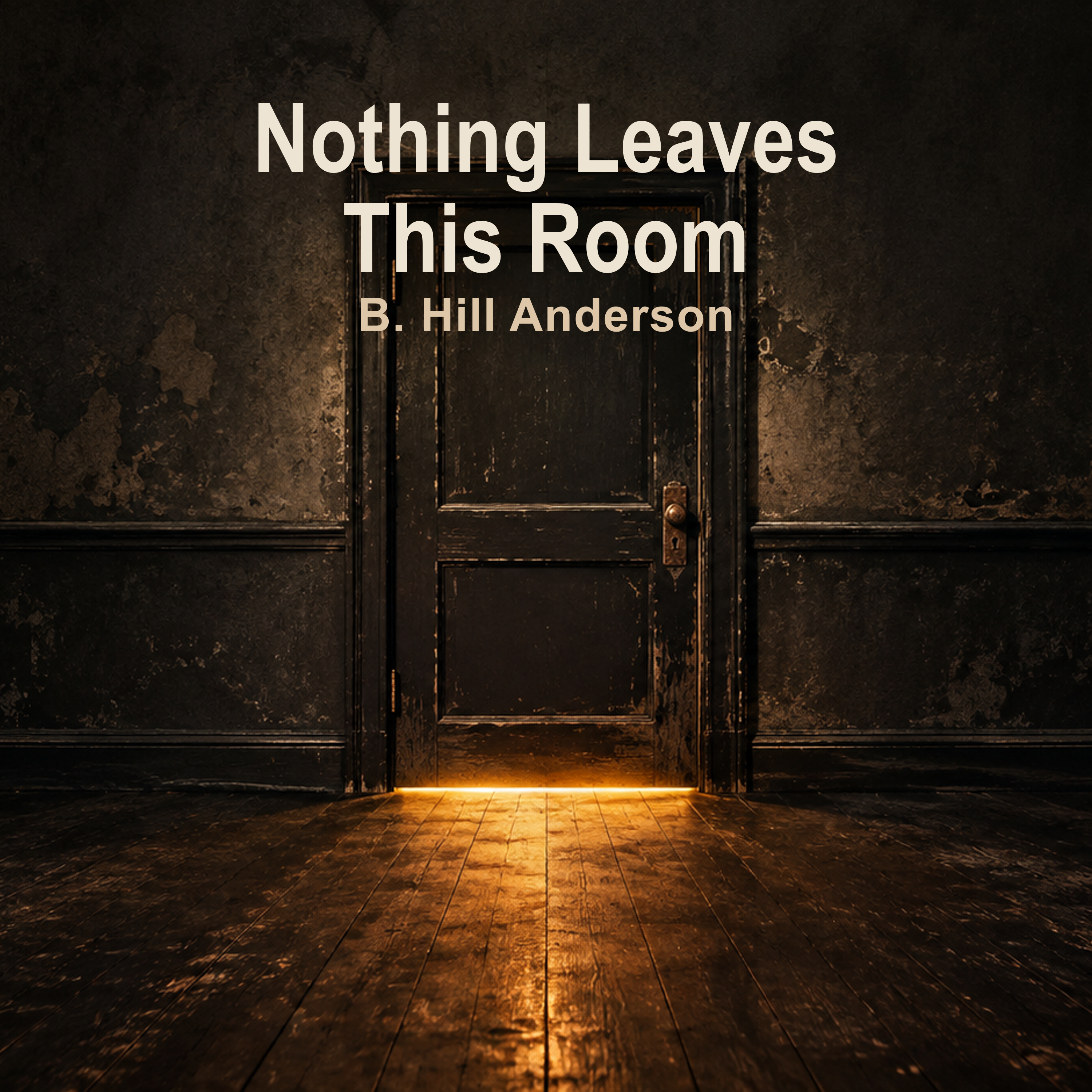
The title begins as a report about an outcome and gradually takes on the sound of a rule. There is no person at the door enforcing it. The maker can continue working indefinitely while the boundary stays intact. The distinction between making a song better and keeping it safe becomes difficult to locate because both activities can involve the same tools, hours, and earnest concentration.
The piano letter complicates any idea that nobody would care. A specific request has already arrived. The listener outside the room is not merely an imagined mass audience whose judgment can be dismissed as shallow or hostile. Someone has asked for something new. Singing as though that person were present offers a rehearsal of contact, but the rehearsal does not deliver the song. The letter remains a small piece of evidence against complete isolation.
The strongest claim in the chorus is also the least available for confirmation. Calling an unheard song the best thing one has made can be pride, hope, or a defense against disappointment. The lyric does not force a choice among those possibilities. Its pressure comes from allowing the claim to remain sincere while showing the arrangement that keeps it untested. A work can matter intensely to its maker and still be absent from every other life.
The plea about dying gives that absence a limit. It does not name a deadline or diagnose the speaker. It places a finite life beside a process that has learned to extend itself. The request is startling partly because it asks another presence to interrupt a condition the speaker has maintained. Help may be wanted before a way of accepting it has been found.
The last question changes who is waiting. Earlier, the audience waits for the new song while the maker decides whether to offer it. At the end, the maker waits for evidence that the audience has stayed. That reversal does not resolve the story, but it changes the comfort of the room. The protected space now depends on a connection it cannot preserve by itself. Within a Collection built to let work leave its maker, the song keeps that dependence plainly audible.