Friendship — Ralph Waldo Emerson
Emerson tests friendship through sincerity and the freedom to remain oneself. Read beside the song's exchanged look, the essay asks how recognition can make honesty possible without making familiarity possessive.
Published work page · Upcoming release
A friendship song about the people who have known several versions of us, and the stories we let each other end.
Listen
2:54 · Playback does not begin automatically.
Lyrics
Somebody says, “I've got an idea”
He looks my way before they're through
I shake my head, but I remember
When I'd have said, “I'll go with you”
Now he starts gathering up the car keys
I find somebody's missing coat
We've both stayed long enough to learn
When it's time to go
There it is, that look again
Like when we both knew everything
We've changed our minds, we've changed our lives
I still know what's behind his eyes
Ask me why we're still friends
“Because it was he,
Because it was I.”
Everybody's gone, we're folding chairs
He asks me how I've really been
I start to give the usual answer
He gives that look to me again
I stop with one chair halfway folded
Say, “I thought I'd be better by now”
He opens up the one he's holding
We leave the rest and sit back down
There it is, that look again
Like when we both knew everything
We've changed our minds, we've changed our lives
I still know what's behind his eyes
Ask me why we're still friends
“Because it was he,
Because it was I.”
He knew me back in high school
He's known a few of me since then
We don't tell all the same old stories
Some we let each other end
There it is, that look again
Like when we both knew everything
We've changed our minds, we've changed our lives
He still knows what's behind my eyes
Ask me why we're still friends
“Because it was he,
Because it was I.”
Liner Notes
The friendship first appears as a look exchanged across a room. Someone has an idea; one man looks toward the other before the proposal is finished. The answer does not require a speech. These two have shared enough history to hear an old invitation inside a new one. The speaker shakes his head, remembering the version of himself who would have gone along.
The scene makes room for change without treating change as betrayal. Gathering keys and finding a missing coat are small acts of departure, but they also show the friends attending to the people around them. Their shared past has not vanished. It has become something they can recognize without having to repeat.
The second verse turns from that public understanding to a private question. Everyone else has left. The men are folding chairs, completing the ordinary work that follows a gathering. Asked how he has really been, the speaker begins the answer that would allow the task to continue. Then the familiar look interrupts him.
His admission is modest and difficult: he thought he would be better by now. The song does not specify what better would mean. The friend does not ask for a definition or offer a remedy. He opens the chair he was closing. What follows is time made available, expressed through an action rather than a promise.
The bridge gives that action its history. To have known someone since high school is also to have known versions of that person which no longer fit. Memory can keep those versions available as evidence against change. Here, the friends let some stories end. Recognition includes an agreement about what no longer needs to be repeated.
In the final chorus, the direction of recognition reverses. The speaker has been describing what he can see behind his friend's eyes; now he is the one being seen. The closing answer does not list the qualities that make the friendship worth keeping. It leaves two people sitting in the chairs they had begun to put away.
The opening also distinguishes the two friends without assigning either one the better life. One remembers being quick to join an adventure; the other begins gathering the keys. The song gives them different movements and a shared understanding. Neither has to become a spokesman for maturity. Their familiarity is audible in the space between the invitation and the answer, before anyone has explained a reason for staying or leaving.
That economy continues in the refrain. The look has survived altered opinions and altered circumstances, but its survival does not mean that the men have remained identical to their younger selves. What persists is an ability to recognize the person through the changes. The chorus places knowing beside not quite being able to explain. Asked to justify the friendship, the speaker offers the two people themselves instead of an inventory of useful traits.
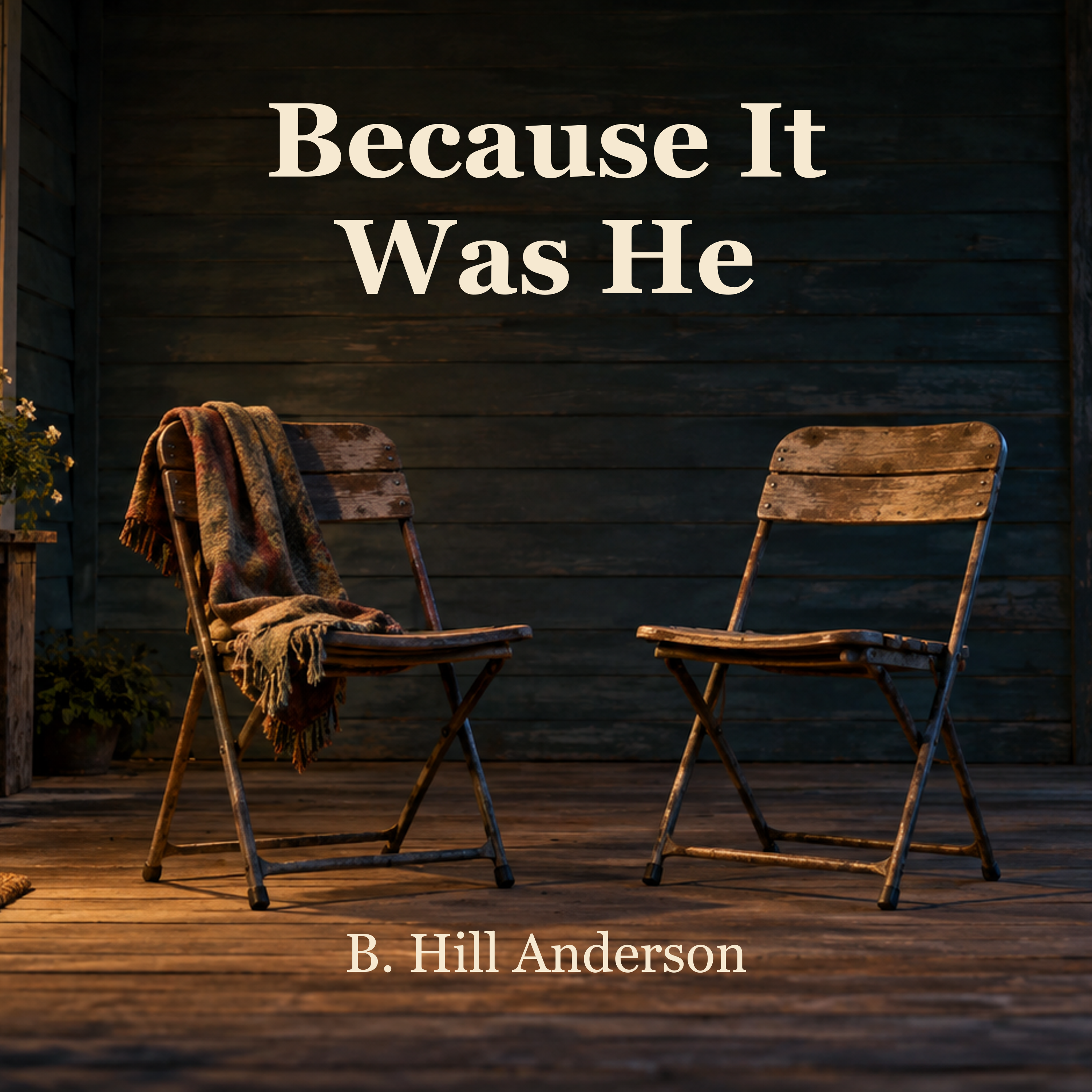
The folding chair makes that refusal tangible. A chair halfway closed is a task interrupted; opening the other chair changes the meaning of the time left after the party. The friend chooses not to finish efficiently. He does not make his availability another question the speaker must answer. The room is already empty enough for the usual performance to stop, and the newly opened chair makes a place for what follows.
We never hear that conversation. Leaving it outside the lyric protects the admission from becoming an anecdote with a lesson attached. The important event is the change in what the speaker can say. He has moved from the expected answer to a sentence that exposes disappointment with himself. The listener receives that sentence without making it a final verdict on the person who spoke it.
Memory has a double role here. It allows the friend to notice a practiced answer, but it could also supply old stories that make another answer impossible. The bridge quietly acknowledges that danger. Letting a story end requires someone who remembers it to stop insisting on its usefulness. The song gives that discretion as much weight as loyalty, making room for a person whose history is known but whose future is not yet settled.
Time is therefore present in more than the reference to high school. It appears in the speed of a glance, the delay before an honest sentence, and the work abandoned long enough to listen. The long friendship becomes visible through a short interruption. Years have made this moment possible, but they cannot substitute for the choice to open the chair now. That is the modest scale on which the song lets affection act.
In Conversation
Emerson tests friendship through sincerity and the freedom to remain oneself. Read beside the song's exchanged look, the essay asks how recognition can make honesty possible without making familiarity possessive.
Hayden lets ordinary work reveal care that was not adequately recognized at the time. The song's reopened chair offers a different moment: practical affection noticed while there is still time to sit together.
Kenyon places ordinary companionship within a day that cannot be guaranteed to return. The friendship song similarly gives a small interval of shared time the weight of a much longer life.
Worth Your Time
Read the essay titled Of Friendship in this complete edition of Montaigne's Essays. Its effort to account for a singular bond gives the song's refrain a larger conversation without reducing either work to a definition of friendship. The useful question is not simply why these two people stayed close. It is what an explanation based on qualities or benefits would leave out. Return afterward to the folding chairs: the song gives that difficulty of explanation an ordinary action and a place to sit.
Credits
© 2026 Burton Hill Anderson LLC. All rights reserved.
Accessibility
Two worn folding chairs on a wooden porch, one draped with a blanket. The song title and B. Hill Anderson appear above and below.
The players use standard browser controls and do not autoplay. The videos accompany the recordings with artwork.
The final composition lyrics appear above. Sung repetitions and phrasing may vary between recordings.